Diamond Engagement Rings - MoiMoi

Jewelry

Why Lab-Grown Diamonds Are The Future Of Engagement Rings: Ethical, Affordable, And Stunning

What if your engagement ring could be stunning, ethical, and affordable all at once?

You might have heard the buzz around lab-grown diamonds lately, but have you really stopped to consider why these gems are rapidly becoming the favorite choice for engagement rings? Let’s take a closer look at why lab-grown diamonds are an exciting, modern option that you should consider when planning your special moment.

engagement rings Sydney

Understanding Lab-Grown Diamonds

To appreciate the value of lab-grown diamonds, it’s essential to understand what sets them apart from their natural counterparts. Lab-grown diamonds are created in controlled environments using advanced technological processes that mimic the natural diamond formation deep within the Earth.

The Science Behind Lab-Grown Diamonds

Lab-grown diamonds are produced primarily through two methods: High Pressure High Temperature (HPHT) and Chemical Vapor Deposition (CVD).

  1. High Pressure High Temperature (HPHT):

    • This technique replicates the natural conditions that create diamonds beneath the Earth’s surface. By applying high pressure and temperature to carbon, a diamond crystal forms over weeks to months.
  2. Chemical Vapor Deposition (CVD):

    • CVD involves turning gases into a plasma state, allowing carbon atoms to deposit onto a substrate, growing diamond crystals layer by layer. This method is known for producing high-quality diamonds and can be done in much shorter time frames.

Lab-grown diamonds are identical to natural diamonds at the molecular level, making them a legitimate alternative without the emotional or ethical issues tied to traditional mining.

The Four Cs

Just like natural diamonds, lab-grown diamonds are evaluated based on the four Cs: Carat, Cut, Color, and Clarity.

  • Carat: This refers to the weight of the diamond. A higher carat weight typically indicates a larger diamond.
  • Cut: The cut affects how well the diamond reflects light. Options range from round to princess to emerald and beyond.
  • Color: Diamonds can appear colorless or may have slight shades of yellow or brown. Lab-grown diamonds can be created in various colors.
  • Clarity: This refers to the presence of internal or external flaws. Most lab-grown diamonds are flawless or have few inclusions.

These aspects allow you to select a lab-grown diamond that perfectly fits your style and preferences.

Ethical Considerations

When it comes to engagement rings, many people are deeply concerned about the ethical implications associated with diamond mining. Traditional diamond mining can contribute to environmental damage, human rights violations, and violent conflicts, often referred to as “blood diamonds.”

Lab-Grown Diamonds: A Sustainable Choice

In stark contrast, lab-grown diamonds significantly reduce environmental impact. Since they are cultivated in a controlled setting, there’s no need for mining, which means less ecological disruption. Additionally, the production of lab-grown diamonds generally requires less energy compared to the extraction of natural diamonds.

Conflict-Free Guarantee

Most importantly, lab-grown diamonds come with a conflict-free label. Because they’re manufactured in a controlled environment, you can feel confident that your purchase supports ethical practices. When you choose a lab-grown diamond, you’re contributing to a market that prioritizes transparency and responsibility.
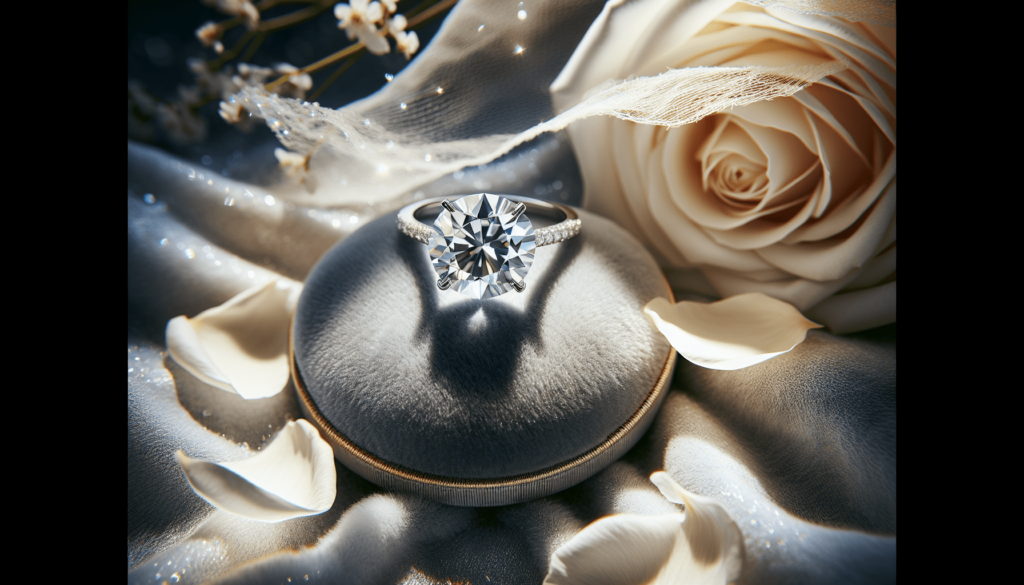
Why Lab-Grown Diamonds Are The Future Of Engagement Rings: Ethical, Affordable, And Stunning

Discover more about the Why Lab-Grown Diamonds Are The Future Of Engagement Rings: Ethical, Affordable, And Stunning.

Affordability: A Budget-Friendly Option

Engagement rings are often one of the most significant purchases a couple will make together. If you’re like many, finding a balance between quality and budget can be challenging. This is where lab-grown diamonds shine brightly.

Cost Comparison

Lab-grown diamonds typically cost 20-40% less than their mined counterparts. This price difference arises because lab-grown diamonds avoid the extensive costs associated with mining.

Here’s a rough breakdown for clarity:

Feature Lab-Grown Diamonds Natural Diamonds
Average Cost 20-40% Less Higher due to mining costs
Quality Often higher quality Varies greatly
Insurance Premium Generally lower Higher premiums

Opting for a lab-grown diamond allows you to allocate some of that savings toward a more elaborate setting, add additional stones, or simply keep the extra money for future plans.

The Emotional Value

Many couples appreciate that lab-grown diamonds offer a more balanced emotional outcome. With a stunning stone that’s ethically sourced and affordable, you can focus on the love and commitment it symbolizes rather than the complexities surrounding its origin.

The Aesthetic Appeal

It’s essential not to overlook the sheer beauty of lab-grown diamonds. These gems are crafted to be radiant, dazzling, and as awe-inspiring as any mined diamond.

Quality and Sparkle

Lab-grown diamonds are created to the same exceptional standards as natural diamonds. With advancements in technology, the cut, clarity, and color often surpass those of traditional stones. The result is an engagement ring that sparkles brilliantly, ensuring you’ll be proud to wear it for a lifetime.

Variety of Options

Lab-grown diamonds come in various shapes, settings, and colors. Whether you dream of a classic round-cut diamond or are drawn to the unique allure of a pear shape, your options are virtually limitless.

In addition to traditional white diamonds, you can also find fancy colored lab-grown diamonds, including shades of pink, blue, or yellow, allowing you to personalize your choice even further.
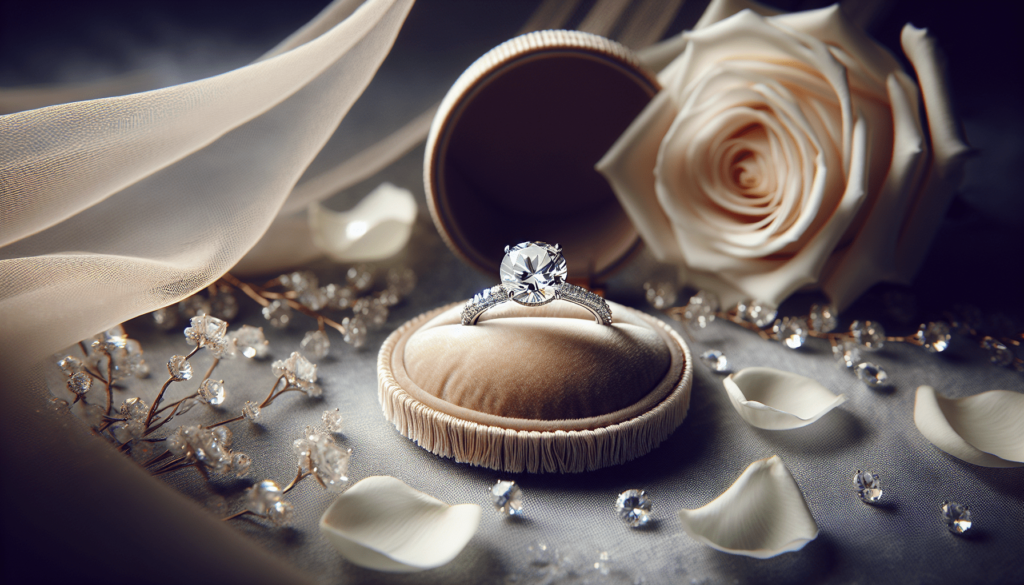
Why Lab-Grown Diamonds Are The Future Of Engagement Rings: Ethical, Affordable, And Stunning

The Growing Market

As awareness around lab-grown diamonds increases, their popularity continues to rise. More retailers are now carrying a wide array of lab-grown options.

Finding the Right Retailer

Choosing a reputable retailer can make all the difference in your shopping experience. Look for stores that provide detailed information about their diamonds’ origins, certifications, and return policies. A knowledgeable staff can help you navigate your options until you find the perfect ring.

Online vs. In-Store Shopping

In today’s world, you can choose to shop online or visit local jewelers. Shopping online offers convenience and often a broader selection, but one advantage of visiting a physical store is the ability to see the diamond in person.

Regardless of your choice, make sure to look for retailers that offer educational resources and customer support—the goal is to ensure you walk out with a ring that feels perfect for you.

Floating Beyond Jewelry

While engagement rings may be the most common use of lab-grown diamonds, their potential stretches far beyond traditional jewelry.

Alternative Uses

Lab-grown diamonds are increasingly being used in other pieces, such as earrings, necklaces, and bracelets, giving you the option to express your unique style. Beyond fashion, diamonds are being utilized in various industries, including electronics, healthcare, and even energy solutions.

Investing in Lab-Grown Diamonds

As the technology behind lab-grown diamonds develops and the market continues to grow, they can also represent a sound investment opportunity. Though they may not appreciate in value as natural diamonds traditionally might, their ethical and sustainable nature could make them increasingly attractive to the next generation of buyers.

Conclusion: The Future Awaits

In summary, lab-grown diamonds are becoming the fabric of engagement rings in our evolving world. With a harmonious blend of ethical sourcing, affordability, and breathtaking beauty, they exemplify how modern technology can enhance traditions that hold deep meaning for couples around the globe.

A lab-grown diamond offers you an opportunity to make a statement about your values while still embracing the classic sentimentality of an engagement ring. You’ll not only cherish it for the love it represents, but also for the responsible decision you’ve made in choosing it.

So, when you’re considering that perfect engagement ring, why not let a lab-grown diamond shine as brightly as your love story? With every turn, trend, and tradition changing, it’s clear that lab-grown diamonds are leading the way into the future.
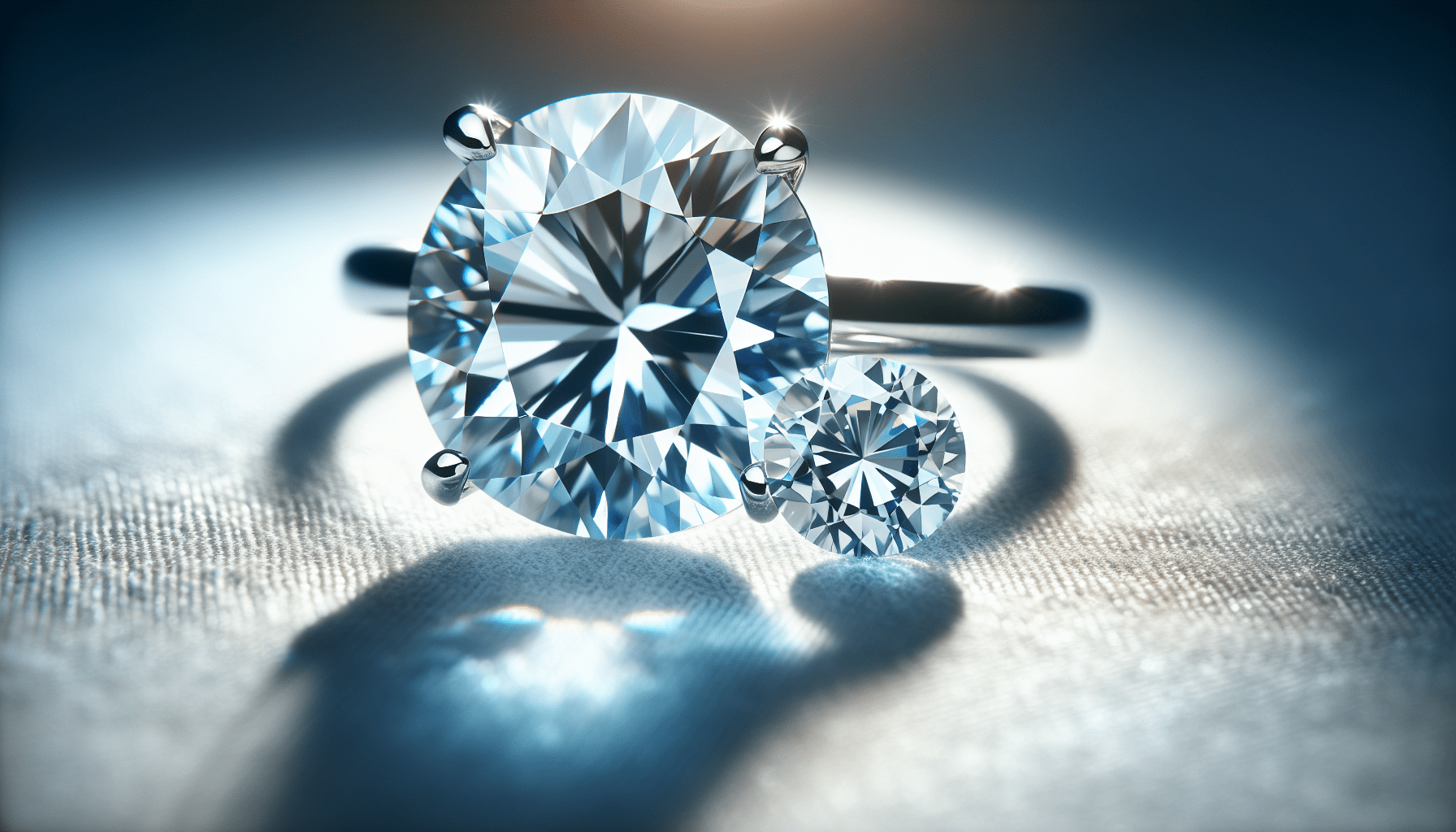
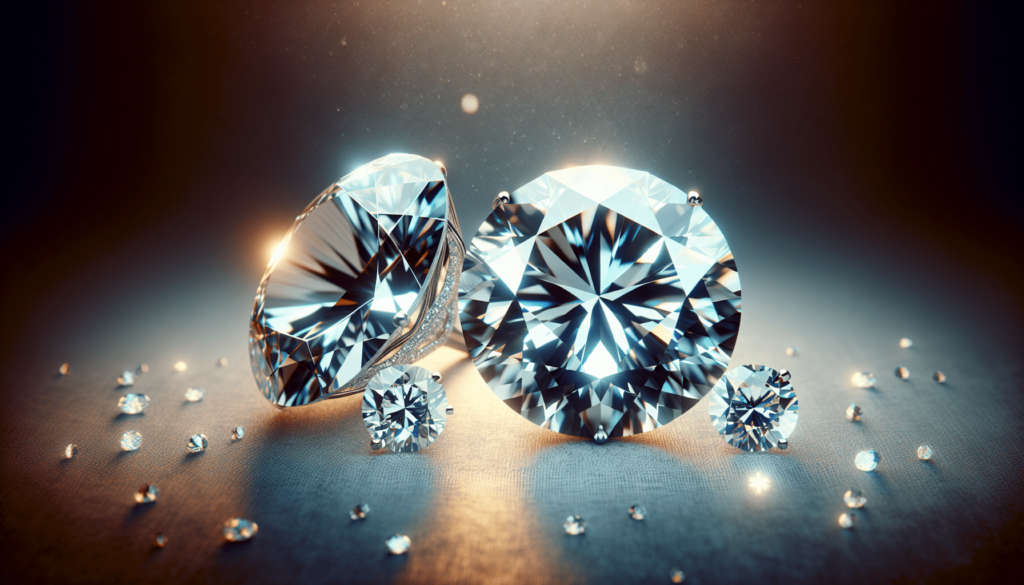
Diamond Rings Sydney

Moissanite Vs. Diamond: How To Spot The Difference Like A Pro

Have you ever found yourself gazing at a beautiful ring, wondering if it’s a dazzling diamond or the equally captivating moissanite? The truth is, differentiating between the two can be quite the challenge. This article will provide you with all the information you need to discern these two gemstones like an expert, while also highlighting their unique characteristics and the benefits of each.

Moissanite Vs. Diamond: How To Spot The Difference Like A Pro

Moissanite vs Diamond

Understanding the Basics of Moissanite and Diamonds

Before we jump into spotting the differences, it’s essential to grasp what each gemstone is. Moissanite is a lab-created gemstone, while diamonds are natural gemstones mined from the earth. Both have their own charm, benefits, and characteristics.

What is Moissanite?

Moissanite was first discovered in a meteorite crater, giving it an otherworldly connection. Originally, it was found as natural crystals but are now predominantly synthesized in laboratories. These lab-created versions mimic the look of diamonds and can be an affordable alternative. Moissanite is known for its exceptional brilliance and fire, often appearing even more sparkly than diamonds due to its unique optical properties.

What is a Diamond?

Diamonds, often described as the “king of gemstones,” are formed deep within the Earth over millions of years under high pressure and temperature. Each diamond is unique, with its own natural inclusions and characteristics. They are celebrated not just for their beauty, but also for their durability, lasting endurance, and cultural significance, especially in engagement rings.

Comparing the Properties

To accurately distinguish between moissanite and diamonds, it’s necessary to understand their properties, including hardness, brilliance, and light performance.

Hardness

The Mohs scale of mineral hardness rates the hardness of materials from 1 to 10, with diamonds achieving a perfect score of 10. Moissanite follows closely behind with a score of 9.25. This hardness means both gems are highly resistant to scratches, making them perfect choices for daily wear.

Brilliance

When discussing brilliance, it’s essential to consider how light interacts with the gemstone. Brilliance refers to the amount of white light that is reflected from within the gem. Moissanite has a higher refractive index than diamonds, which results in more sparkle. In simple terms, if you want a ring that catches the light and dazzles the eyes, moissanite may just have the upper hand.

Light Performance

Light performance is a term that encompasses both brilliance and fire. Fire refers to the dispersion of light into various colors. Moissanite’s fire is perhaps its most striking feature, as it displays an array of colors more vividly than diamonds. This can create a beautiful rainbow effect. However, some may prefer the subtle and classic sparkle of a diamond, which tends to reflect light in a more nuanced way.

Moi Moi Moissanite Vs Diamond

Visual Differences

Now, let’s talk about how to spot the visual differences between moissanite and diamonds. While these stones may look similar at a glance, there are subtle details that can help you tell them apart.

Color

Both diamonds and moissanite can be found in various colors, though colorless versions are the most sought after. Most high-quality diamonds are graded on a color scale from D (colorless) to Z (light yellow). In contrast, moissanite typically has a hint of color, particularly in larger stones. If you have a colorless diamond and a moissanite side by side, you might notice the moissanite displays a slight warmth or a faint yellow/brown tint, especially under certain lighting.

Cut

The cut of a gemstone plays a significant role in how well it reflects light. Diamonds are cut with specific proportions to maximize their brilliance. Moissanite can also be cut in various shapes, but it often features a different faceting pattern that enhances its sparkle. For instance, the facets on a moissanite are somewhat larger than those of a diamond, allowing it to reflect light differently.

Clarity

Clarity refers to the presence of internal or external flaws in the gemstone. Natural diamonds often have inclusions that can be examined under magnification. Moissanites, being lab-created, usually have fewer imperfections. If you closely inspect a moissanite under 10x magnification, you might notice some unique inclusions specific to moissanite that are not found in diamonds.

Size

When it comes to size, moissanite can give you the option for a larger appearance without a significant increase in cost. This makes it an attractive choice for many who desire a statement piece without the hefty price tag often associated with diamonds. The affordability of moissanite allows for larger carat sizes that still look impressive.

Price Differences

Another essential factor to compare is the price. Generally, moissanite is significantly less expensive than diamonds, which can be a crucial factor when making a decision.

Cost of Moissanite vs. Diamond

As a rule of thumb, moissanite can be up to 90% less expensive than diamonds. Here’s a simple breakdown to clarify this:

Gemstone Price Range (per carat)
Moissanite $300 – $800
Diamonds $4,000 – $12,000+

This substantial price difference allows you to spend more on a larger stone or to invest in additional jewelry if you choose moissanite.

Moissanite Vs. Diamond: How To Spot The Difference Like A Pro

Environmental and Ethical Considerations

In today’s world, many buyers are keenly aware of the ethical implications behind their jewelry choices.

Lab-Created Moissanite

Being a lab-created gemstone, moissanite presents a more sustainable and ethical option. They don’t involve mining, which can be harmful to the environment and communities. You can feel good about choosing a moissanite ring, as it’s a responsible choice both in terms of sustainability and ethics.

Natural Diamonds

On the other hand, diamonds have a more complicated background, particularly concerning conflict diamonds. The industry has made strides towards ethical sourcing, but it’s crucial to ensure you buy from reputable dealers who can provide certification regarding the diamond’s origins.

Caring for Your Gems

Once you have chosen between these stunning options, it’s important to care for your jewelry properly to maintain its beauty.

Cleaning Your Moissanite and Diamonds

Both moissanite and diamonds can be cleaned using gentle soap and warm water. A soft brush can help dislodge any dirt or grime. Avoid harsh chemicals or exposure to extreme heat. Regular cleaning will keep your stones sparkling and clear.

Safe Storage

When you’re not wearing your jewelry, store it in a soft pouch or a separate compartment in your jewelry box to prevent scratching or tangling.

Choosing the Right Setting

When selecting the perfect ring or piece of jewelry, the setting can significantly influence the overall look and feel.

Popular Settings for Moissanite and Diamonds

Both gemstones can be set in a variety of styles, from classic solitaires to intricate halo designs. When set in yellow or rose gold, moissanite’s slight warmth can appear even more beautiful against the metal. Diamonds, known for their cooler tones, create a stunning contrast in the same settings.

Customization Options

One of the best parts about choosing moissanite is the possibility for customization. Many jewelers now offer the ability to create a bespoke piece tailored to your preferences at a fraction of the price of a diamond.

Recognizing the Value

Understanding the value of each gemstone involves more than just an initial price tag.

Investment Considerations

While both gemstones can lose value after resale, diamonds tend to hold their value better than moissanites. However, it’s essential to keep in mind your reasons for purchasing: aesthetic appeal, affordability, or investment purposes.

Resale Value of Moissanite vs. Diamonds

Here’s a summary of factors influencing their resale values:

Gemstone Resale Value
Moissanite Generally low
Diamonds Can retain or appreciate in value

Always remember to seek expert evaluations and certifications that enhance the resale potential of a diamond over a moissanite.

The Emotional Connection

Jewelry often embodies more than just beauty; it’s a symbol of love, commitment, and significant life events.

Choosing Based on Symbolism

If you’re shopping for an engagement ring, consider what each stone represents for you and your partner. Diamonds symbolize enduring love, while moissanite represents a modern approach to sustainability and individuality.

Personal Preferences

Ultimately, your preference should guide your purchase. Whether you fall in love with the fire of a moissanite or the classic elegance of a diamond, choose what resonates most with you.

Conclusion

So, what will it be? The classic and cherished diamond or the innovative and dazzling moissanite? Both gems are remarkable in their own right, and your choice should reflect your style, values, and preferences. As you navigate these decisions, remember to enjoy the journey of finding the perfect piece that signifies moments that matter in your life.

Final Tips

When buying either gemstone, don’t hesitate to ask questions. Ensure you’re getting a certified and authentic product, and consider seeking out retailers celebrated for their honesty and knowledge. Shopping for jewelry should be a fun and memorable experience, one that ultimately leads you to a stunning piece you’ll treasure for years to come.

Moissanite vs Diamond

Scroll to top